Start here
Fall back 2026: when the clocks change in Canada (and where they don't)
The short answer — Sunday, November 1 at 2:00 a.m. — plus what the "extra hour" really does to your night, and why 2026 is different.
 Fall Back Sleep
Sleep, kids' bedtimes, and the November clock change — for Canadians
On November 1, 2026, most of Ontario, Quebec, and Atlantic Canada turn the clocks back an hour. But this year, BC, Alberta, Manitoba, and the Northwest Territories sit this one out — they have stopped changing clocks for good. Here's who changes, who doesn't, and how to sleep well either way.
Start with the 2026 guide →Fall Back Sleep is a small, plain-language guide to the autumn time change in Canada: the exact date and hour, the new provincial patchwork for 2026, gentle ways to shift kids' bedtimes before the change, and how to feel human again in the week after. No hype, no miracle cures — just the facts and the routines that help.
The short answer — Sunday, November 1 at 2:00 a.m. — plus what the "extra hour" really does to your night, and why 2026 is different.
Four jurisdictions stopped changing clocks this year, joining Saskatchewan and Yukon. A province-by-province rundown, including the parts of provinces with their own rules.
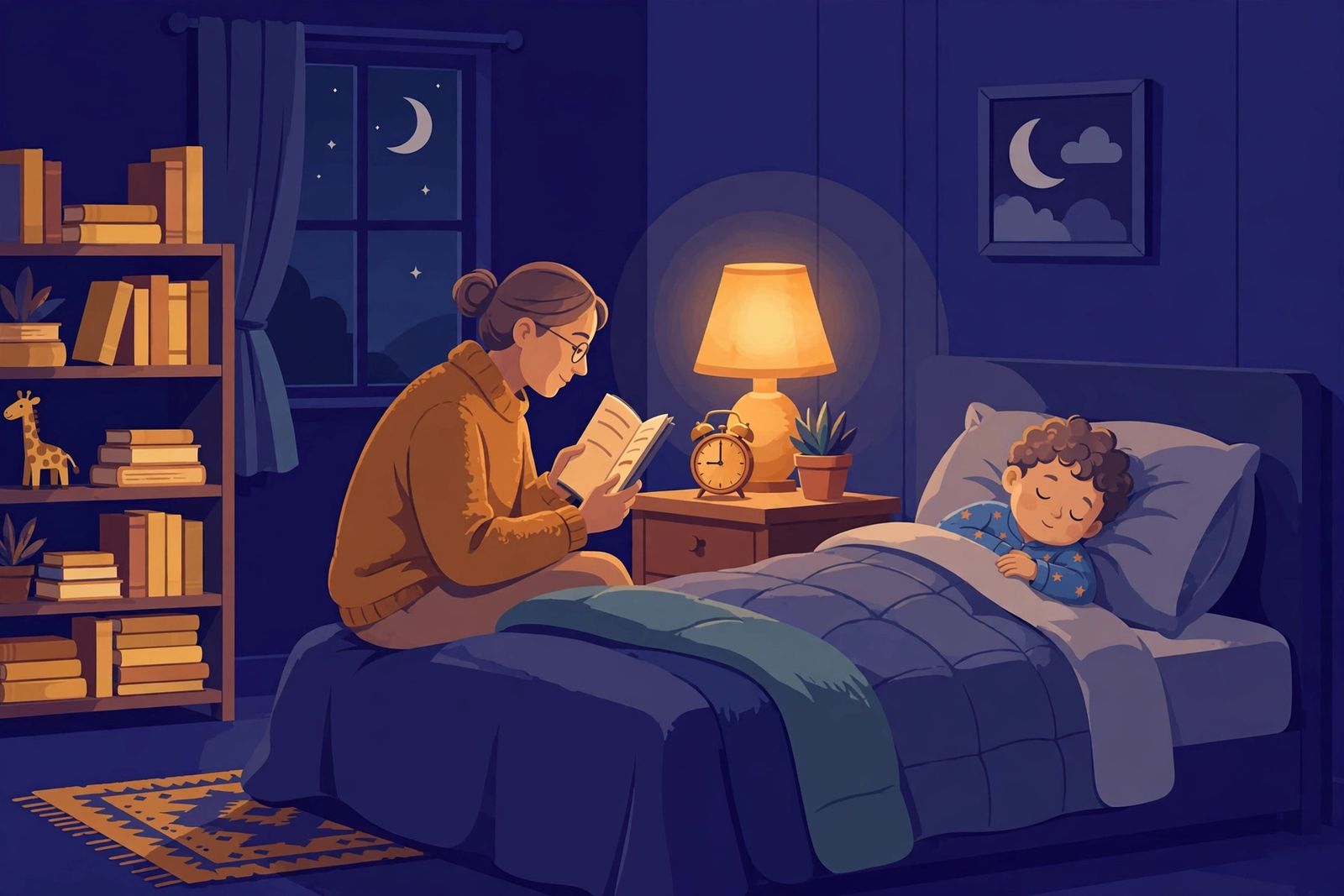
The 15-minutes-a-day shift that prevents the 5 a.m. wake-up — with a free planner that builds your family's day-by-day schedule.
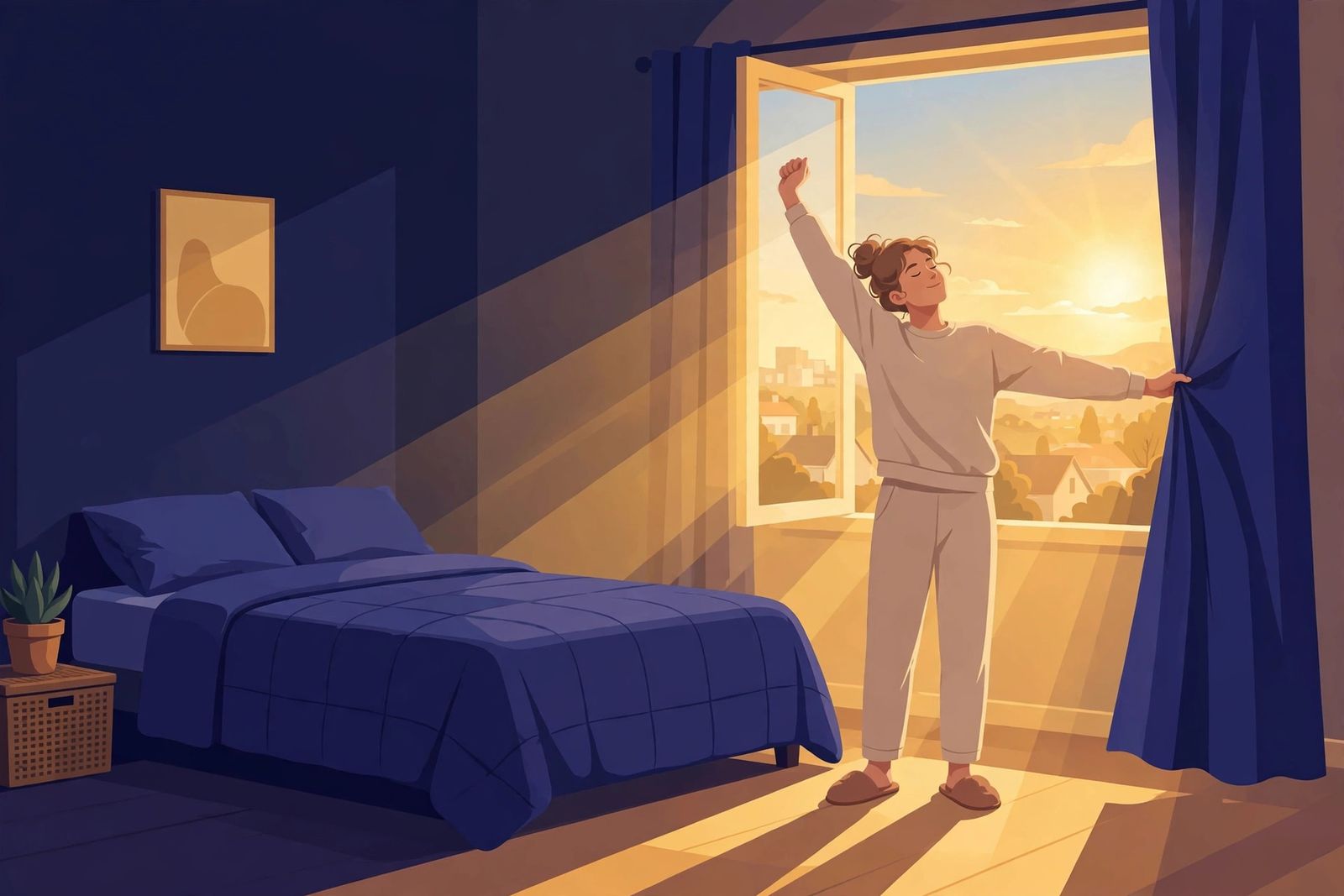
Morning light, a fixed wake-up time, and what to do with the "extra hour" so the week after the change feels easy instead of groggy.
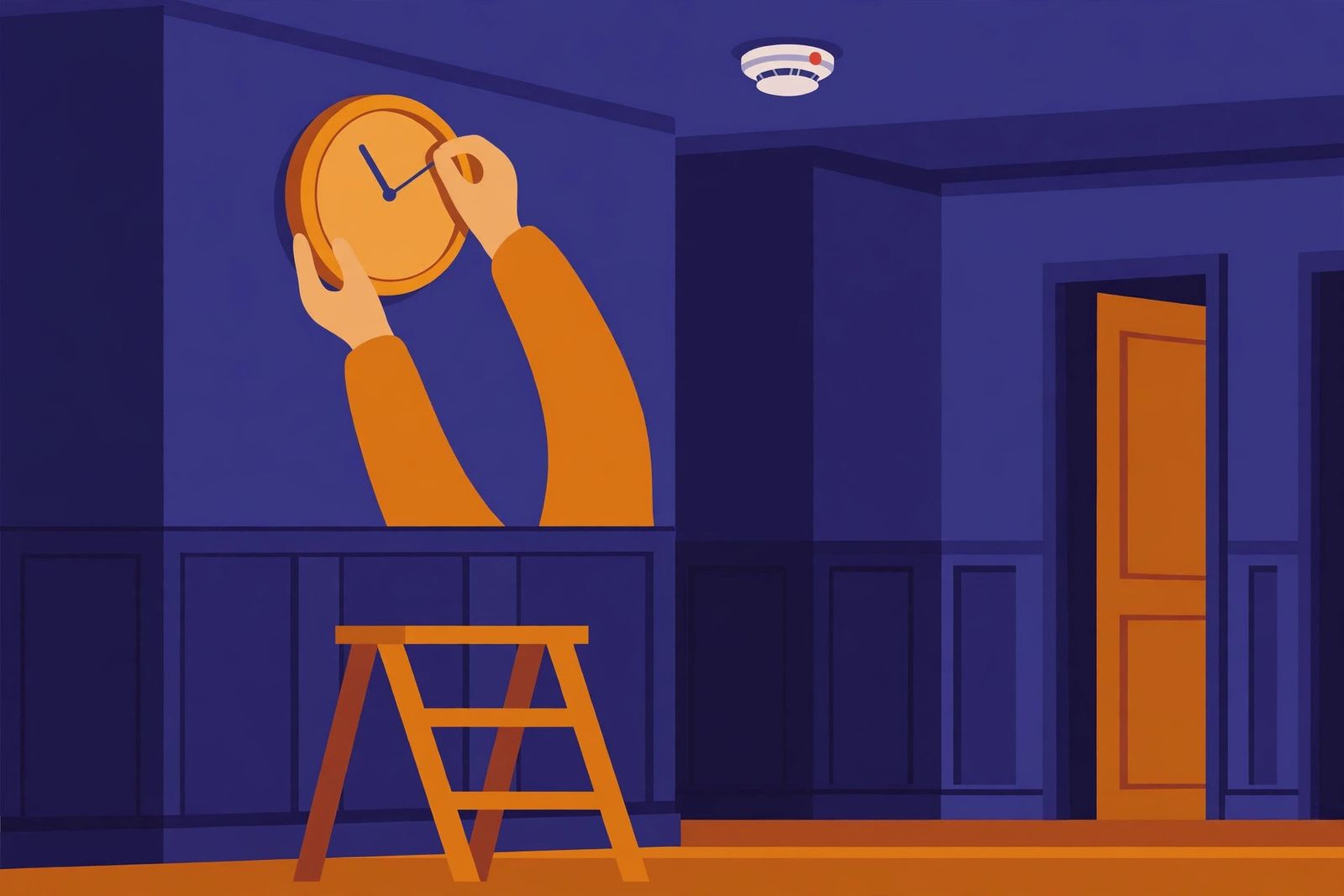
Every clock and timer in the house, the twice-a-year smoke and CO alarm check, and the devices that quietly get it wrong.